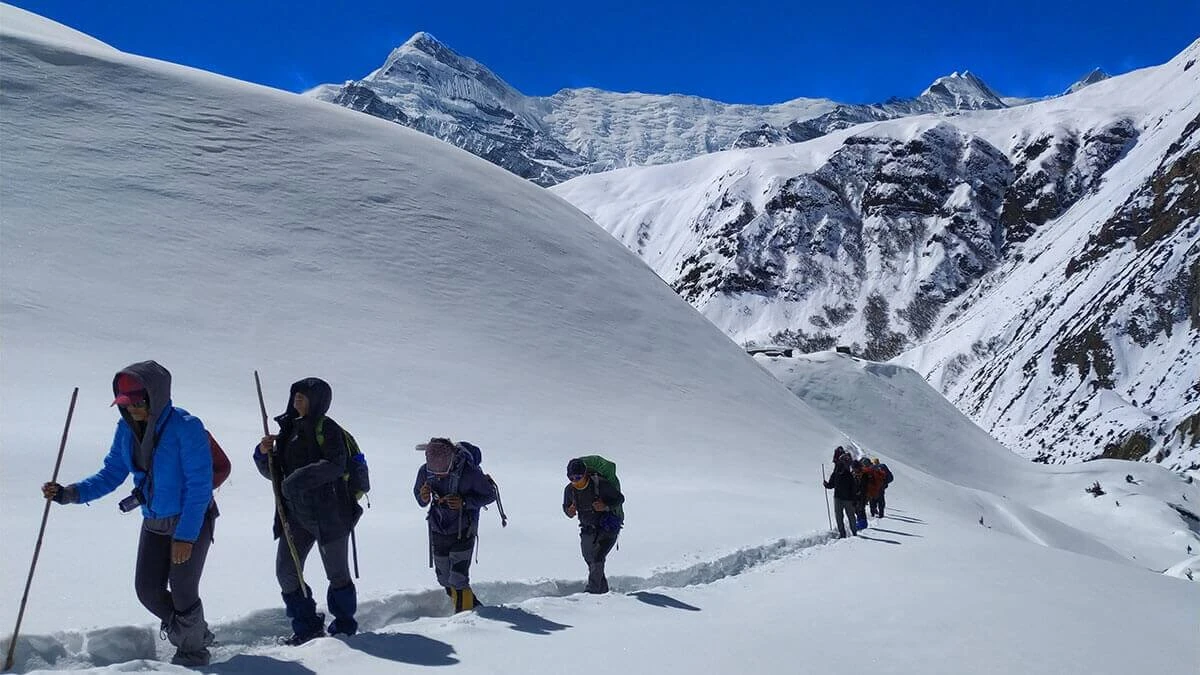
One of the most breathtaking and rewarding experiences imaginable in Nepal is trekking the Annapurna Circuit Trek, in a region famed for its unbeatable mountain perspectives, striking landscapes & contrasting culture. That’s more or less the introduction—however, there are a few errors that most trekkers make that’ll significantly hinder your enjoyment and enhancement when trekking. But this situation can become much better with proper preparation, a little realistic planning, and knowledge about common trekking problems.
Every choice — whether about gear, elevation gain, or speed — is critical to having a good walk. Travelers can be more confident about tackling such an awe-inspiring trek across Nepal—and actually getting to experience all that beauty—by recognizing these common mistakes before heading into the Annapurna Circuit trek.
6 Workout Mistakes You Make While Preparing for a Trek
A common mistake made by trekkers before booking the Annapurna Circuit Trek is not understanding how physically demanding the trek actually is. This is not a technical climbing trek, but it does entail some long days walking, steep and difficult ascents, and also high-altitude difficulties. Many of the early lifters think that if Smith machine outputs minerals are good, they do not need to learn.
Long-distance walking, hiking, and exercises for endurance in training make the hike easier. The enhanced legs and endurance enable trekkers to cross demanding terrain more comfortably. Physically preparing yourself before you leave will probably make you less exhausted and also let you appreciate the amazing landscapes and local history along the way.
Neglecting Proper Acclimatization and Altitude
Another big challenge on the Annapurna Circuit trek cost is topographic extension, specifically when approaching higher areas toward Thorong La Pass. Do you either rush to get up there and commit the huge mistake of not providing them with a peace offering or allow the body to adapt? Altitude sickness does not discriminate, affecting anyone no matter how fit or experienced a trekker they may be.
You have to try drinking a lot of water and getting to know the not-too-hasty initial symptoms like headaches, dizziness, or a specific way of feeling weak when they come up in a large quantity. So be serious about acclimatization, which can make your trip safer and more enjoyable. Respecting the altitude very much because it can change a nice adventure into a tragic and extremely difficult test of if we all are running.
Overpacking or Carrying Unnecessary Gear
My top common mistake while doing the Annapurna Circuit trek is overpacking. Carrying extra outfits and irrelevant electronics — even rarely used items — leads people to overstuff their backpacks. Carrying extra weight is especially burdensome during long climbs and walking days at high elevation.
A little planning when it comes to packing is all that is needed, ideally basic clothes, strong shoes, the necessary weather conditioning, and some personal things with very little hiking gear. Lightness—and this is an important principle of travel—will give mobility and reduce the pressure on the body during a trip. Packing functional, multi-purpose products will allow you to travel in comfort without overpacking everything in your backpack.
Choosing the Wrong Trekking Season
Like Evading Seasons While planning the Annapurna Circuit Trek, weather is so crucial for trail conditions, visibility, and overall trekking comfort. Spring and autumn are generally seen as perfection—stable weather and sights of mountains are clear. The bar-ranging heights of the winter season have extreme temperatures and snowfall around high passes, while rains can remove trails, creating a lot of mud that continues to lead to various kinds of conveyance issues.
Some trekkers set their travel dates without consideration of the prevailing seasonal conditions, which can affect their experience. Time-Based Research to Travel Avoid Easterly Weather in Annapurna The time should be researchable so that travelers would not face trouble with the weather and could enjoy the beautiful vista of the Annapurna region.
Stopping the gait to walk side by side, my bullshit bypass machine
One big mistake trekkers usually make in this segment is walking too fast, especially the first days of the Annapurna Circuit Trek. If you get too overexcited and try to finish the route before sunset, you’re only going to fatigue unnecessarily. Again, this takes time, so if you are trekking at high altitudes, you need to be a little patient. A nice gentle pace conserves energy and prevents altitude sickness. Those little experiences from those who took to trekking years ago know that much fun can be found at a slower and steadier pace. When you tune to your body with the stops, it will allow you to gaze at the beautiful landscape of wonderful villages on the way and a mountain atmosphere.
Not Drinking Enough Water While Hiking
For most people, dehydration is often not something you think about in cold mountain environments, and you may not feel thirsty. The recent use of the Annapurna Circuit Trek increases your fluid needs from physical activity, dry air, and altitude. It is worth noting that a lot of trekkers have an insufficient water intake since they desire not to stop so often; however, this will only trigger dehydration and affect your performance level as well as health. Stay Hydrated: Invest in a reusable bottle so you can drink water on the go, making it part of your daily routine. Weaker performance, acclimatizing to the altitude, and fighting tiredness on arduous sections of the trek require proper hydration.
You aim higher than actual kinds of weather shifts in the Himalayas.
Another mistake to avoid is trekking in rapidly changing mountain weather. It is an open path so long that it travels through multiple climatic zones; hence, thermic changes will result from area to area. It’s warm in the morning and cold and windy for many of us by afternoon, especially at mid/upper elevations. Trekkers should never ever leave without appropriate layers that they need for the seasons of trekking, whether it be rain or warmth. You will be more comfortable and safe if you are ready for the change of season. Being cognizant of the conditions followed in the Himalayan region ensures that some hardships, which could have been avoided, are not present during the course of the expedition.
Decreased Attention on applicable mate footwear and trekking gear
The Annapurna Circuit Trek Ultimate Universal Guide Choosing the right shoes: Choose wisely; with the wrong shoes, this trekking will become a problem. Walking on stony roads, uneven routes, walking through long stretches, and climbing always mean you need good-quality boots that are comfy and durable! Simply put, new shoes or even a couple in other arrangements without trials may cause you blistering.
Trekking poles, warm socks, and decent weather protection certainly make your experience more enjoyable. That is why it pays to take the time at home to ensure that everything is ready so that these little inconveniences do not become serious problems on the road. Being equipped with quality, reliable gear should allow trekkers to focus on the pleasure of the great outdoors rather than avoiding needless trauma.
A common mistake while trekking the Annapurna Circuit is failing to plan properly the crossing of Thorong La Pass.
The Annapurna Circuit Trek gets tough at Thorong La Pass, which is also the most memorable place to see (picture here), and poor planning can make it a nightmare. The drive from Uttarkashi to Gangotri begins with early morning hours and lots of walking. It’s high altitude, so kudos to it for getting freaking cold! This day isn’t unexpected, however, and you need to have both the mental & physical plan.
However, if you ride uphill during the day for stretches of road, spending the night at good points right before the pass and carrying enough water as well as some food that you can snack on will really help in establishing a steady pace, which makes it smooth sailing. It is the hardest part of your trip and the most rewarding, which is why you need to approach the pass with respect and some preparation.
Giving Local Culture and Responsible Hiking Habits Inappropriate
The Annapurna Circuit trek is also a mountain adventure to many different Himalayan communities. Programmed to care only for our final destination as we pass over local culture and traditions. When you respect the people who live there and get to know the culture, when you trek in a responsible way, you create a LOT more value in your journey. Simple things such as minimizing waste, maintaining the sacred sites, and supporting local businesses are a good start to contributing back to this area. Traveling purposefully protects the environment and culture of the Annapurna area for future generations.
Fixing a rigid trekking itinerary
Another big mistake is to have an overly aggressive schedule without a meaningful pad for uncertainty. That is because trekking schedules can be interrupted by mountain conditions, changing weather, and transport issues as well as fatigue. An around-the-world flexibility plan is also available so that trekkers can change decisions during the trek at the time of need without any pressure.
By adding some extra time into this itinerary, you can allow for comfort and take away that sense of urgency in difficult sections. We also linger at villages, viewpoints, and cultural experiences that are otherwise easily missed (and allow for flexibility in the plan). Balanced play increases safety while at the same time maximizing pleasure through the experience.
With No Proper Preparation, Experience Annapurna Circuit Trek.
It is not always going to go smoothly, but these tips will certainly assist you while you’re up with it mentally. Managing your trek, smart fitness workouts, efficient packing techniques, and altitude management (for Himalayan climbs) and having the right gear kept handy & learning different ways to use time would flip the game head over heels.
An arena-filled view of stellar Himalayan scenery and fertile civilization with Thorong La Pass set as the cherry on the cake at the end. Identifying in advance some of the most common possible pitfalls enables trekkers to enjoy one of Nepal’s greatest adventures. This is a long but safe trek to do, given proper preparation—the Annapurna Circuit: trekking in Nepal.